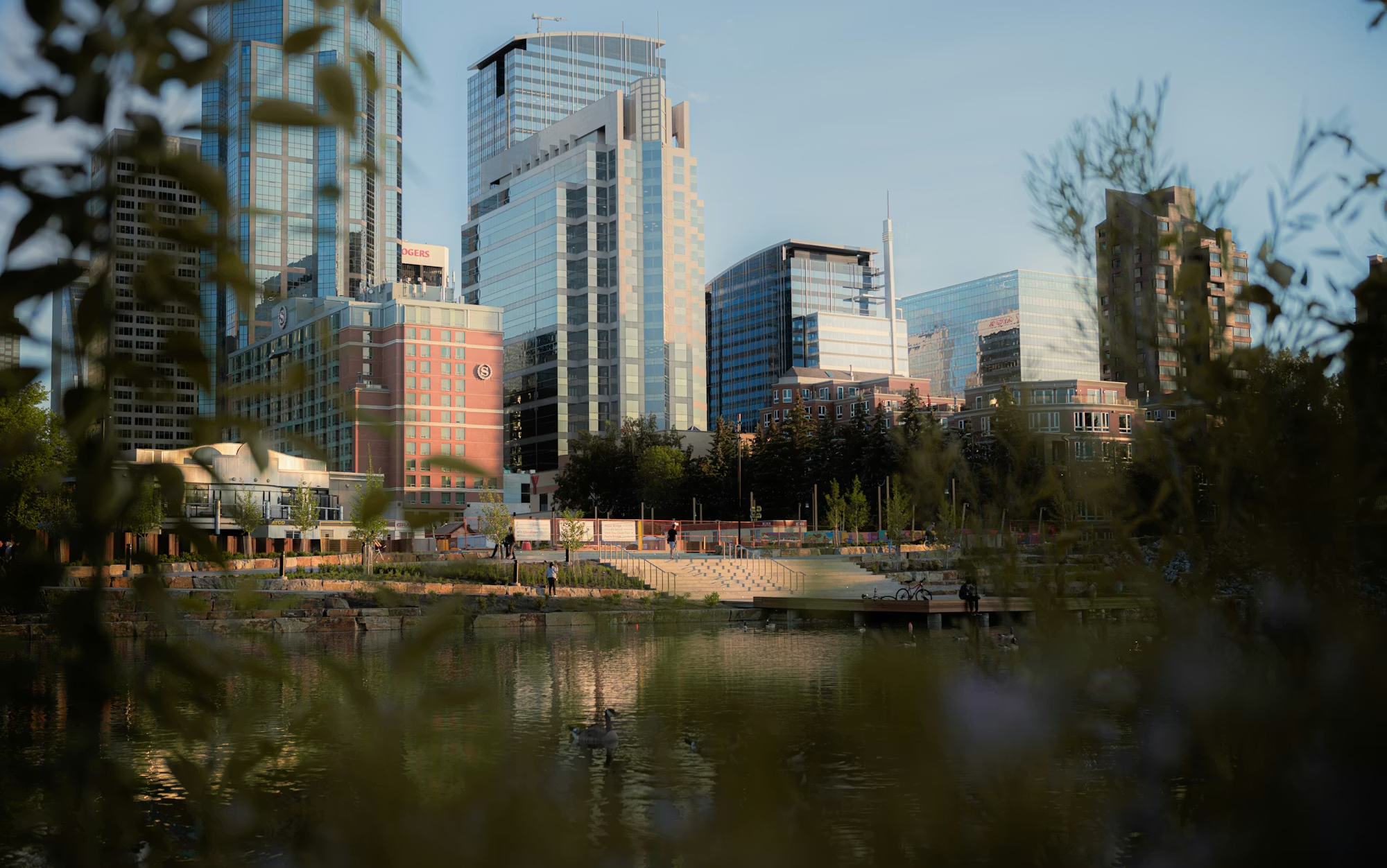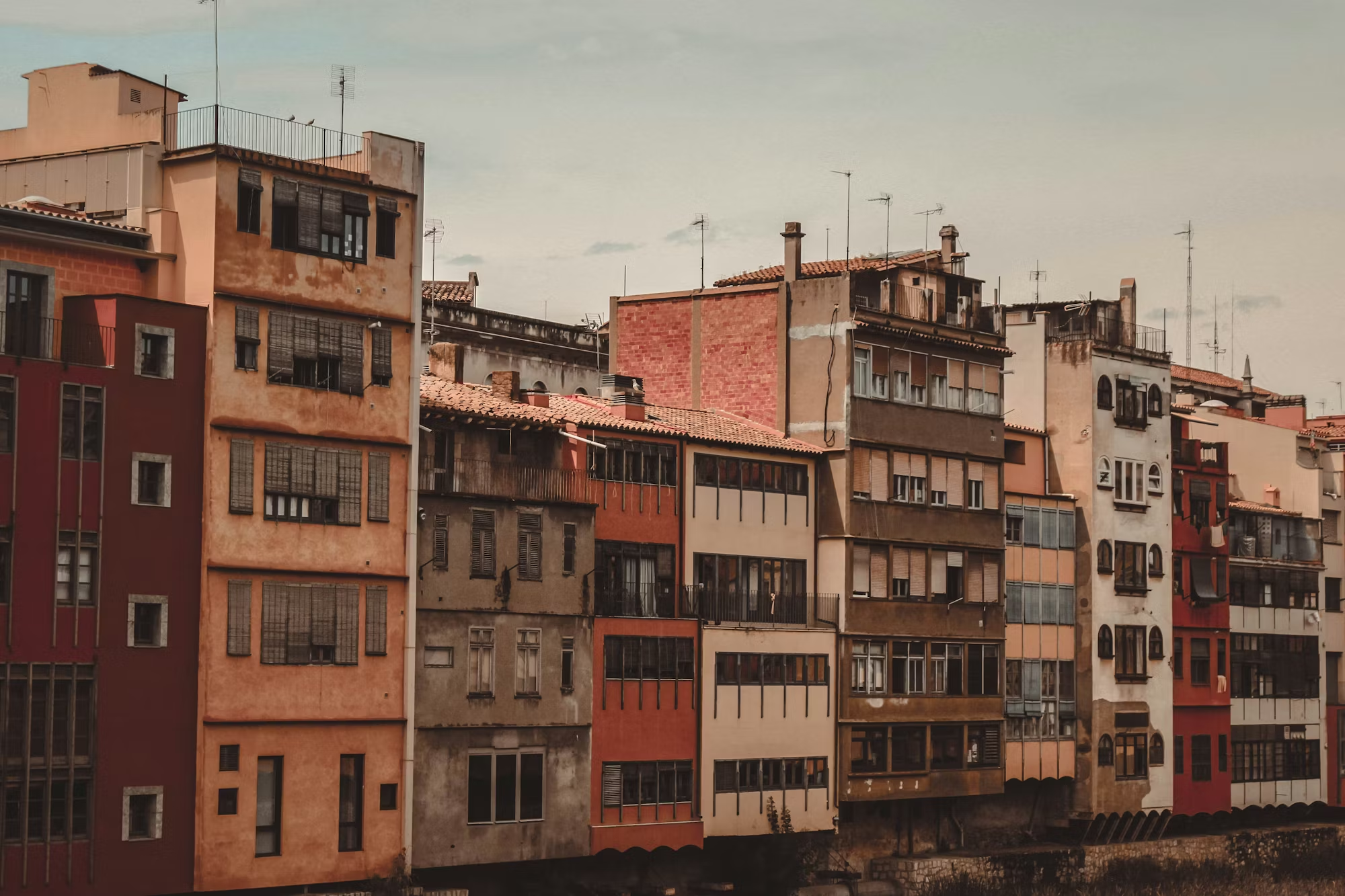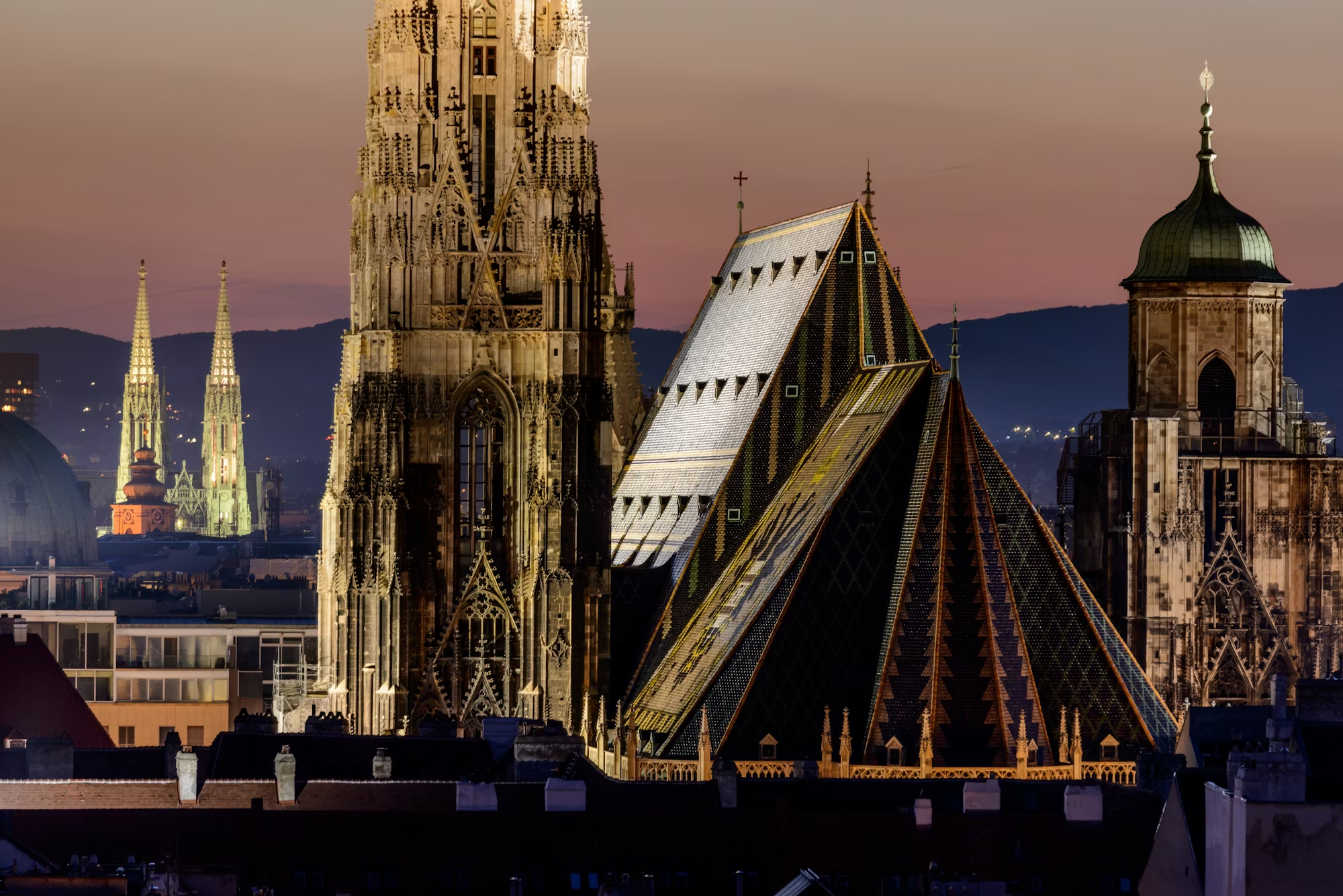
Urban revitalization has become a crucial focus for cities around the globe, aiming to breathe new life into neglected areas and enhance the quality of urban living. As cities evolve, innovative real estate development strategies are employed to address the challenges of urban decay, promote economic growth, and create vibrant communities. This article explores various approaches to urban revitalization across different city types, emphasizing the role of real estate in transforming urban landscapes.
Understanding Urban Revitalization
Urban revitalization involves a multifaceted approach to improving and transforming urban areas that may have fallen into disrepair or become economically stagnant. It encompasses various initiatives, including infrastructure improvements, housing developments, and community engagement, aiming to enhance the overall livability and attractiveness of cities. Real estate plays a pivotal role in this process, serving as a catalyst for economic development and community improvement.
Metropolis: Revitalization in Action
In metropolises such as New York City and Los Angeles, revitalization efforts focus on redeveloping underutilized spaces and transforming them into thriving neighborhoods. These cities often face the challenge of balancing growth with preservation, as developers seek to modernize while maintaining the character of historic districts.
For instance, initiatives like the High Line in New York City have successfully transformed an abandoned elevated railway into a vibrant public park, attracting residents and tourists alike. This kind of creative repurposing not only enhances green space but also boosts local businesses and property values. As metropolises continue to grow, innovative real estate projects are essential in reshaping urban environments and fostering community engagement.
Megacities: Tackling Urban Challenges
Megacities like Mumbai and São Paulo present unique challenges that require targeted revitalization strategies. With populations exceeding ten million, these urban centers often struggle with overcrowding, inadequate infrastructure, and environmental degradation. Addressing these issues necessitates collaborative efforts between government agencies, private developers, and local communities.
For example, in Mumbai, initiatives to upgrade slum areas through public-private partnerships have shown promise. By investing in affordable housing and improved infrastructure, developers can create livable environments that benefit both current residents and newcomers. Additionally, integrating sustainable practices, such as green building designs and renewable energy sources, helps mitigate the environmental impact of rapid urbanization, ensuring a more resilient future for megacities.
Capital Cities: Fostering Economic Growth
Capital cities, such as Ottawa and Berlin, often serve as focal points for economic activity and government investment. Real estate development in these areas can significantly influence regional economies, attracting businesses and talent. Revitalization efforts often prioritize mixed-use developments that combine residential, commercial, and recreational spaces.
In Berlin, for instance, the transformation of former industrial areas into vibrant urban neighborhoods showcases the potential of adaptive reuse. These developments not only preserve historical elements but also create dynamic spaces for living, working, and leisure. By promoting economic diversity and accessibility, capital cities can enhance their attractiveness as places to live and work.
Port Cities: Navigating Revitalization
Port cities like San Francisco and Rotterdam face unique challenges and opportunities when it comes to revitalization. The presence of waterfront areas often holds untapped potential for economic growth and community development. As global trade and tourism increase, real estate development in these regions must balance commercial needs with environmental and social considerations.
For example, waterfront redevelopment projects in San Francisco have transformed former shipping docks into bustling mixed-use neighborhoods. By prioritizing public access to waterfront spaces and incorporating recreational facilities, these projects foster community engagement while promoting economic vitality. The key to successful revitalization in port cities lies in creating spaces that serve both residents and visitors, enhancing the overall urban experience.
Tech Hubs: Innovating Urban Spaces
Tech hubs like Silicon Valley and Austin are at the forefront of urban revitalization, driven by a concentration of innovation and entrepreneurial spirit. The demand for office spaces and housing continues to rise, prompting developers to create flexible environments that cater to a diverse workforce.
In these cities, real estate development often prioritizes mixed-use projects that foster collaboration and connectivity. By incorporating amenities such as co-working spaces, parks, and cultural venues, developers can create vibrant ecosystems that attract talent and stimulate economic growth. Additionally, sustainable design principles are increasingly emphasized, with many new projects featuring energy-efficient technologies and green spaces that enhance residents’ quality of life.
Tourist Cities: Balancing Growth and Community Needs
Tourist cities like Venice and Barcelona face the dual challenge of attracting visitors while preserving local communities. The influx of tourists can strain resources and drive up housing costs, prompting cities to implement revitalization strategies that balance economic benefits with community well-being.
In Barcelona, initiatives to promote responsible tourism and improve local amenities are reshaping the urban landscape. By focusing on sustainable practices and community engagement, these projects aim to enhance the quality of life for residents while accommodating the growing number of visitors. Real estate development in tourist cities must prioritize local needs, ensuring that revitalization efforts benefit both residents and the tourism economy.
University Towns: Driving Innovation and Collaboration
University towns such as Cambridge and Ann Arbor thrive on the synergy between academic institutions and local communities. The presence of universities fosters innovation and economic development, making these cities attractive destinations for students, faculty, and businesses.
Revitalization efforts in university towns often focus on creating vibrant, walkable neighborhoods that support both academic and entrepreneurial pursuits. Developers are increasingly investing in mixed-use projects that incorporate residential, commercial, and educational spaces, fostering collaboration between students and local businesses. By prioritizing community engagement and sustainable development, university towns can enhance their appeal as centers of knowledge and innovation.
Financial Centers: Adapting to Economic Shifts
Financial centers like New York City and London are critical to the global economy, and their real estate markets reflect the ever-changing landscape of finance and commerce. As companies adapt to new work models and technologies, the demand for flexible office spaces is growing.
In response, developers are focusing on creating adaptable workspaces that meet the needs of modern businesses. Initiatives to transform outdated office buildings into mixed-use developments are becoming more common, integrating residential units, retail spaces, and recreational areas. By embracing these changes, financial centers can maintain their competitive edge while promoting a more sustainable and vibrant urban environment.
Historic Cities: Preserving Heritage While Innovating
Historic cities such as Kyoto and Prague are renowned for their cultural significance and architectural beauty. Revitalization in these areas often involves balancing the preservation of historical landmarks with the need for modern infrastructure and amenities.
Developers must navigate complex regulations that protect cultural heritage while pursuing innovative projects. By focusing on adaptive reuse and restoration, these cities can enhance their appeal to both residents and tourists. The integration of modern amenities within historic frameworks fosters a unique urban identity that celebrates the past while embracing the future.
Smart Cities: The Future of Urban Living
Smart cities like Singapore and Amsterdam are leading the way in integrating technology into urban living, focusing on efficiency and sustainability. Real estate development in smart cities prioritizes connectivity and data-driven solutions that enhance the overall quality of life.
Innovative projects incorporating smart technologies can improve urban services, enhance public safety, and streamline transportation. As cities continue to embrace digital transformation, real estate developers must adapt to the evolving landscape, creating spaces that prioritize sustainability and innovation. The future of urban revitalization will be shaped by smart solutions that enhance the livability of cities while addressing the challenges of rapid urbanization.
Conclusion
Urban revitalization is a complex yet essential process that shapes the future of cities worldwide. Through innovative real estate development strategies, communities can overcome challenges and create vibrant, livable environments. From metropolises to university towns, each city type presents unique opportunities for growth and transformation. By embracing sustainability, technology, and community engagement, urban revitalization efforts can enhance the quality of life for residents while fostering economic vitality. As cities continue to evolve, the role of real estate in driving positive change will remain paramount.