Traditional home interiors evoke a sense of timeless elegance and comfort, drawing from classical design elements that have stood the test of time. This style is rooted in rich history and cultural influences, offering a warm and inviting atmosphere that many homeowners seek. In this article, we will explore the key characteristics of traditional interiors, the benefits of this design style, and practical tips for creating your own traditional space.
Defining Traditional Interior Design
Traditional interior design is characterized by its adherence to classic styles and ornamental details. This design approach often incorporates symmetry, rich colors, and a variety of textures, creating spaces that are both beautiful and functional. Traditional homes may feature historical influences from various cultures, such as European, American, and Asian designs, blending them seamlessly to create a cohesive look.
Key Characteristics of Traditional Interiors
1. Rich Color Palettes: Traditional interiors often utilize deep, rich colors that evoke warmth and sophistication. Common hues include burgundy, navy, forest green, and warm neutrals like beige and cream. These colors can be used on walls, furniture, and accents to create a harmonious atmosphere.
2. Classic Furniture Styles: Traditional furniture is typically characterized by ornate details, such as carved wood, upholstered seating, and elegant lines. Pieces like wingback chairs, tufted sofas, and wooden dining tables are commonly found in traditional homes. The emphasis is on quality craftsmanship and timeless designs that endure through trends.
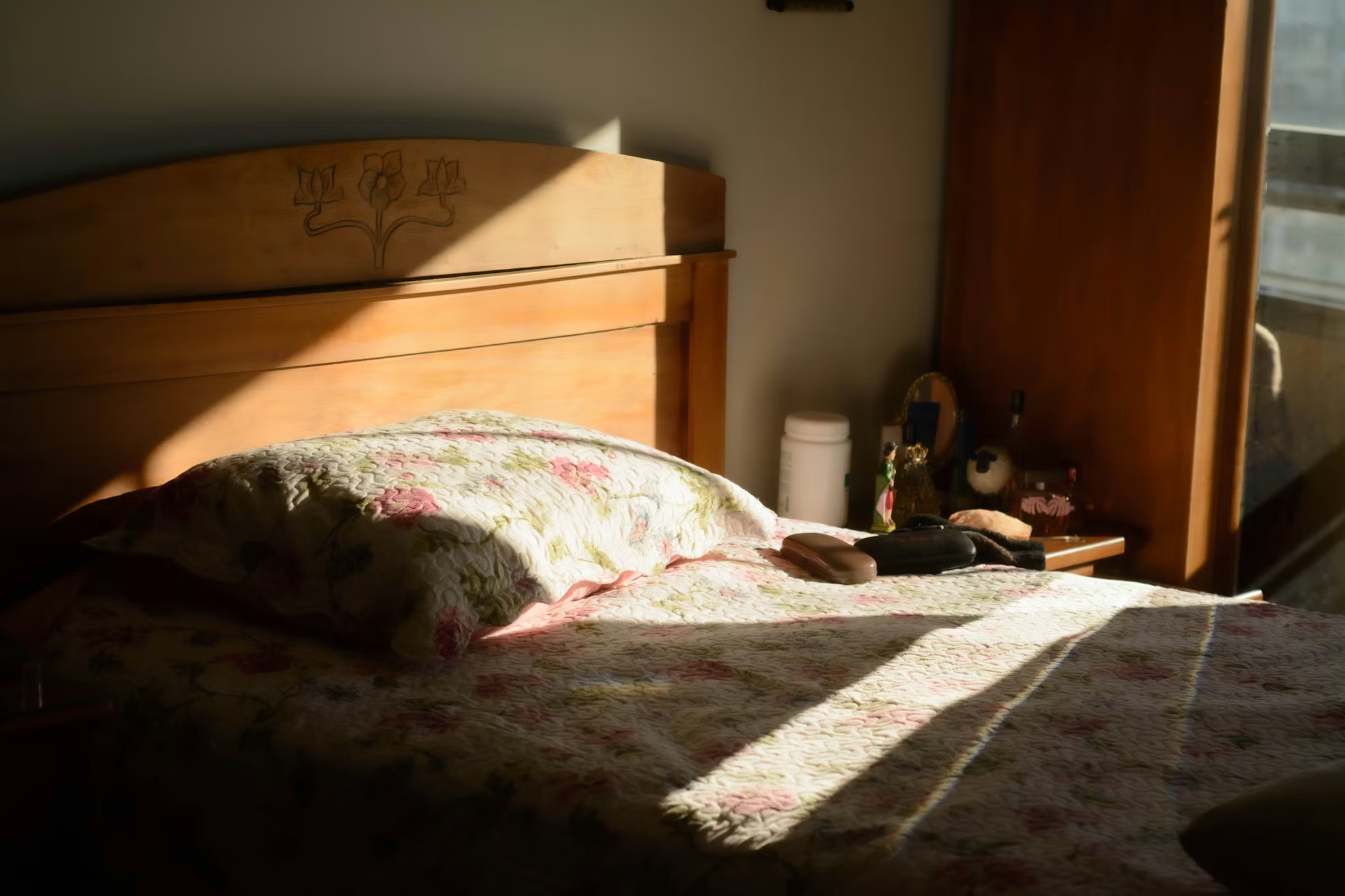
3. Layered Textures: Texture plays a significant role in traditional interiors. Soft textiles, such as silk, velvet, and brocade, are often used for curtains, cushions, and upholstery, adding depth and richness to the space. Mixing textures like wood, metal, and stone can create a visually appealing environment that feels inviting and comfortable.
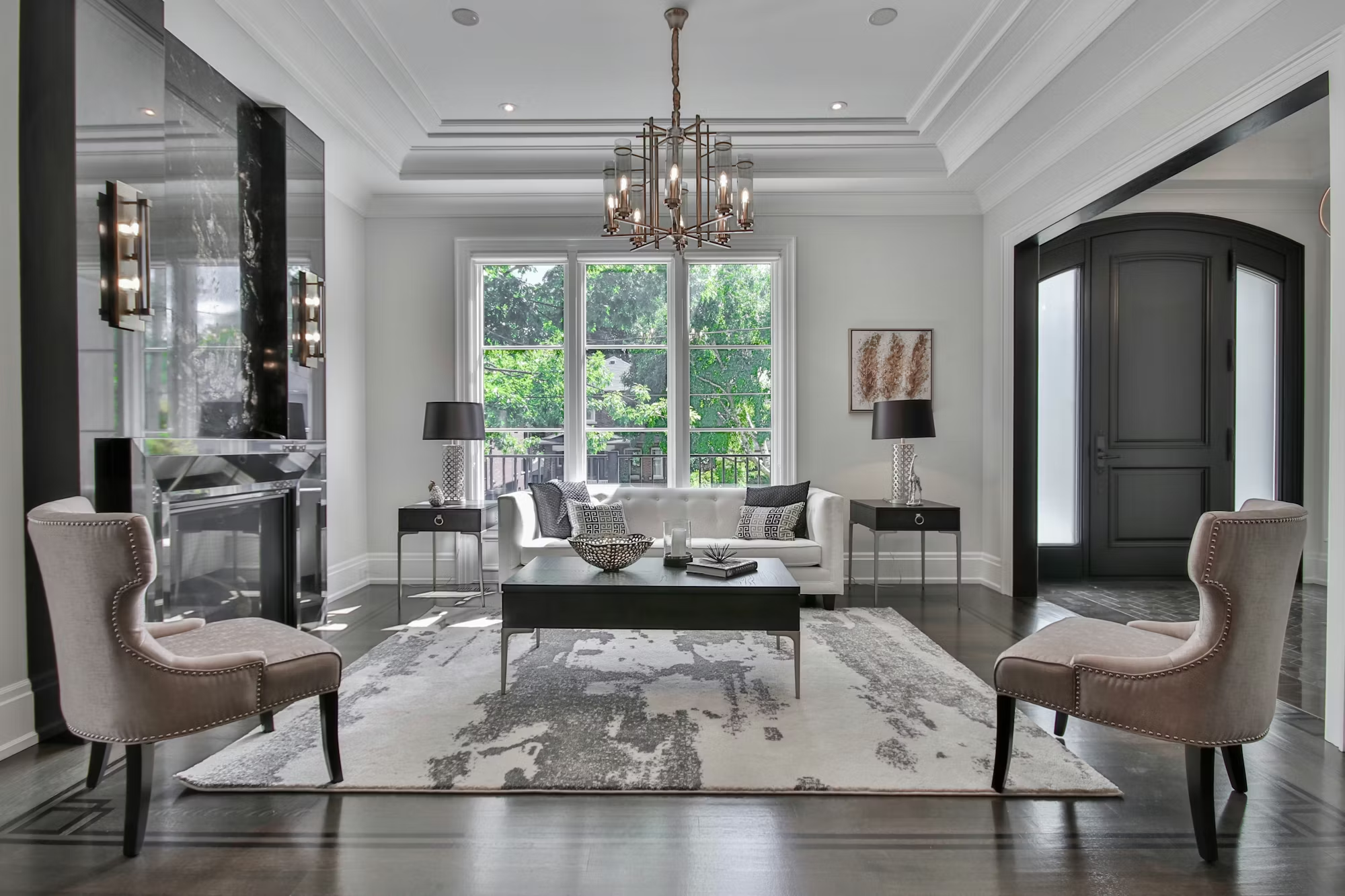
4. Symmetrical Layouts: Traditional design favors symmetry and balance. Furniture is often arranged in pairs or groups to create a cohesive and organized look. For instance, a traditional living room may feature matching sofas or armchairs flanking a central coffee table, promoting conversation and comfort.
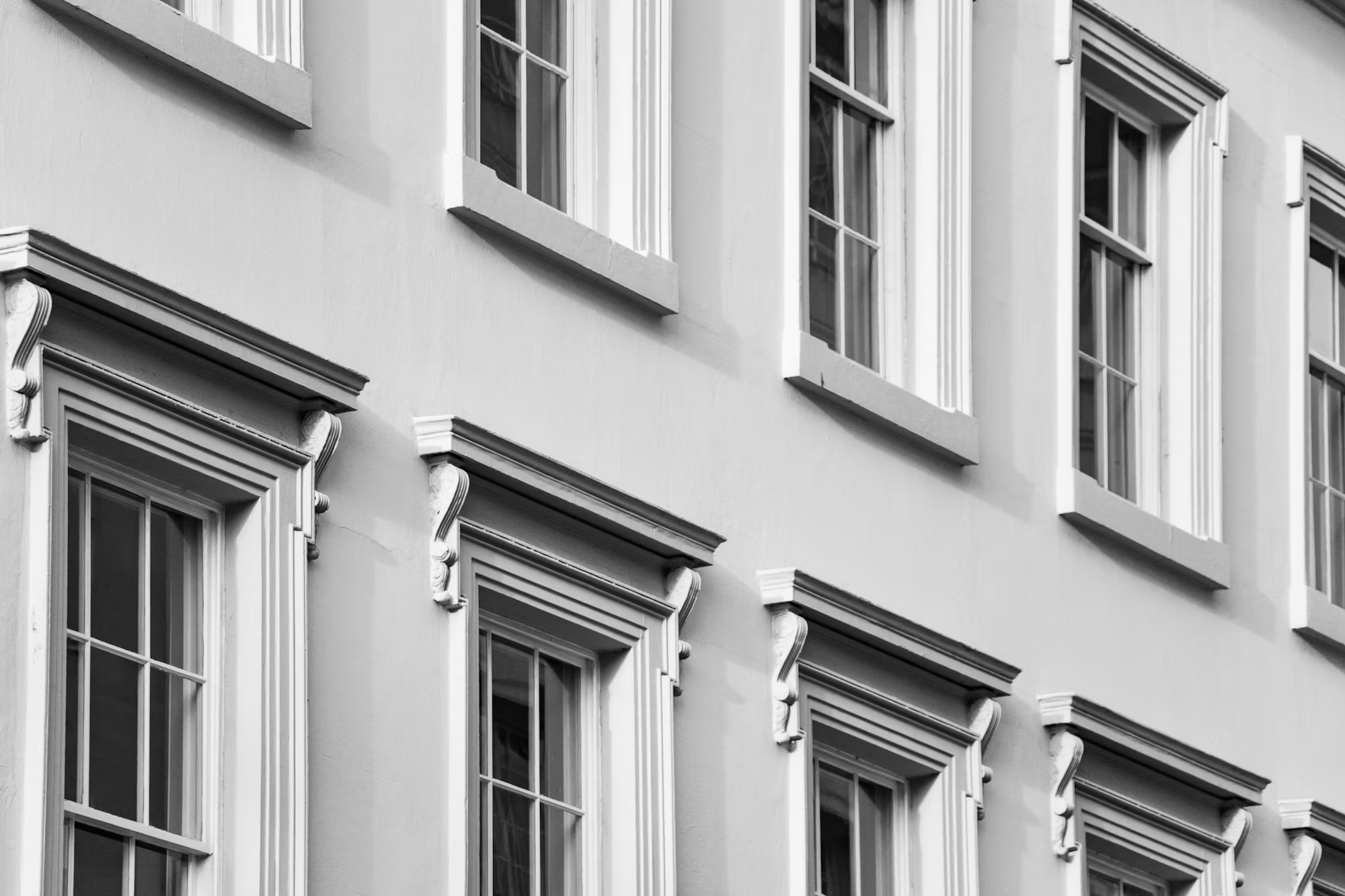
5. Ornate Details and Accessories: Traditional interiors frequently include decorative moldings, intricate ceiling designs, and wainscoting. Accessories such as chandeliers, artwork, and decorative mirrors enhance the overall elegance of the space. These details add character and can be focal points in any room.
Benefits of Traditional Interior Design
1. Timelessness: One of the primary advantages of traditional design is its timeless quality. While trends may come and go, traditional elements tend to remain stylish for years to come. This longevity makes it a worthwhile investment for homeowners seeking enduring appeal.
2. Comfort and Warmth: Traditional interiors are often synonymous with comfort. The warm color palettes, soft furnishings, and layered textures create a cozy atmosphere that invites relaxation. This design style is ideal for creating spaces where families and friends can gather and enjoy each other’s company.
3. Versatility: Traditional design is versatile and can be adapted to suit various tastes and preferences. Whether you prefer a more formal or casual look, traditional elements can be mixed and matched to create a personalized space. This adaptability allows homeowners to express their unique style while maintaining the essence of traditional design.
4. Cultural Appreciation: Traditional interiors often draw from historical influences, offering a rich appreciation for different cultures and design philosophies. This can lead to a deeper connection to the home and its surroundings, as well as a sense of storytelling through design.
Tips for Creating a Traditional Home Interior
1. Choose Quality Over Quantity: When selecting furniture and decor, prioritize high-quality pieces that will stand the test of time. Invest in well-crafted furniture, elegant fabrics, and timeless accessories that reflect your personal style while aligning with traditional aesthetics.
2. Incorporate Antiques and Heirlooms: Antiques and family heirlooms can add character and depth to a traditional home. These pieces often carry stories and history, making them meaningful additions to your decor. Incorporate them thoughtfully, ensuring they complement your overall design vision.
3. Mix Patterns and Textures: While traditional design favors a cohesive look, mixing patterns and textures can add visual interest. Consider pairing floral fabrics with striped upholstery or mixing wood finishes to create a layered effect. The key is to maintain a sense of balance and harmony throughout the space.
4. Use Decorative Accessories Wisely: Accessories play a crucial role in traditional design. Use decorative items such as vases, candlesticks, and framed artwork to enhance your space. However, be mindful not to overcrowd surfaces. Aim for a curated look that showcases your personality without feeling cluttered.
5. Incorporate Natural Elements: Integrating natural elements into your traditional interior can enhance its warmth and appeal. Use wooden furniture, stone accents, and indoor plants to create a sense of connection to the outdoors. This balance between natural and man-made elements fosters a harmonious environment.
6. Focus on Lighting: Lighting is essential in traditional interiors. Opt for chandeliers, sconces, and table lamps that feature ornate designs or classic finishes. Warm lighting creates an inviting atmosphere, while strategically placed fixtures can highlight key architectural features or decor items.
Conclusion
Traditional home interiors offer a timeless elegance that can be both comforting and sophisticated. By embracing rich color palettes, classic furniture styles, and ornate details, homeowners can create spaces that are not only beautiful but also deeply personal. Whether you are starting from scratch or looking to refresh your current decor, the principles of traditional design can guide you in crafting a home that feels warm, inviting, and reflective of your unique style. With thoughtful choices and a focus on quality, you can enjoy the enduring appeal of traditional interiors for years to come.